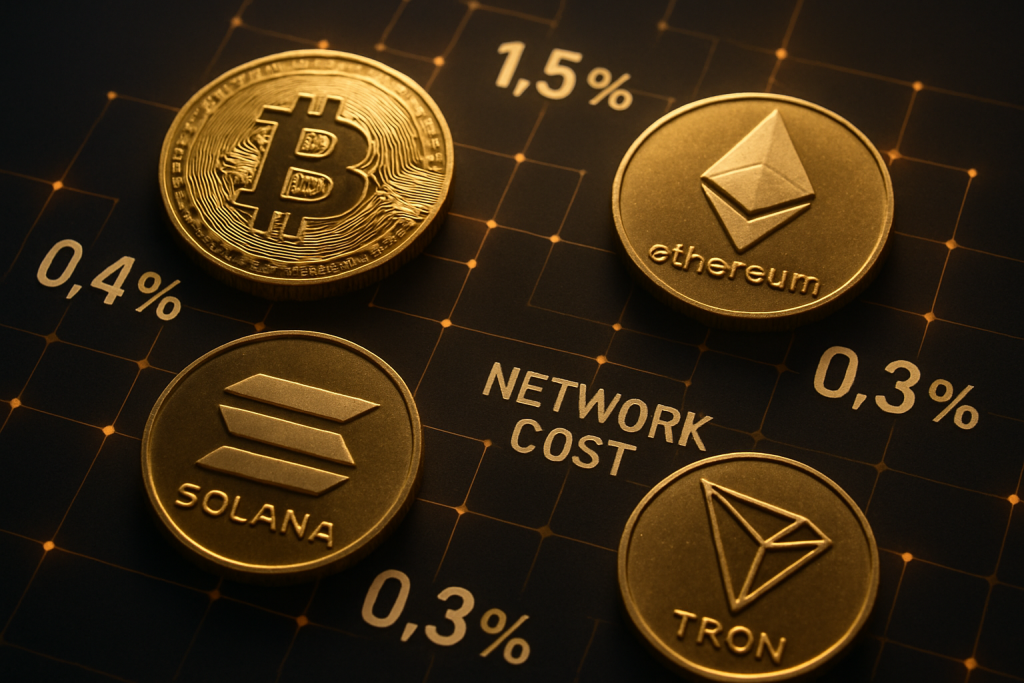
Here’s the reality check: crypto transactions at online casinos aren’t free, and that marketing claim deserves a closer look. You know the pitch—zero fees, instant withdrawals, total transparency. But the blockchain doesn’t lie, and neither should we. Network fees exist, they vary wildly by chain and congestion, and if you’re not paying attention to which blockchain you’re using, you could bleed money on every deposit and withdrawal. Let’s break down what’s actually happening with your crypto at casino sites.
The Hidden Layer: What Free Actually Means at Crypto Casinos
When a casino advertises ‘free’ deposits and withdrawals, they’re technically correct—the casino isn’t charging you a fee on top. But that’s only half the story. A withdrawal can look slow even if the casino approved it quickly, simply because the network is congested or fees are too low. Network choice matters because fees, speed, and reliability vary by chain. The blockchain itself collects a fee, paid to miners or validators who confirm your transaction. This isn’t optional—it’s baked into how crypto works.
The real kicker? These fees are determined by the blockchain rather than the casino, so you may pay several dollars or more for a single transaction during peak activity. You’re not paying the house; you’re paying the network. And that cost scales with network congestion, not the amount you’re moving. A $50 withdrawal can cost the same fee as a $50,000 one, depending on your chosen chain.
Bitcoin and Ethereum: The Expensive Kids at the Party
TRC-20 settles in under 3 seconds versus ERC-20’s 60–300 seconds, and TRC-20 transaction fees are under $0.01 versus ERC-20’s $8–50 in gas during peak Ethereum network congestion. If you’re using Bitcoin or Ethereum, you’re picking the priciest routes. Low-congestion Bitcoin fees are typically under $1 per transaction. Normal conditions cost $1–$10 per transaction. High-congestion events run $20–$50+ per transaction, and in extreme events even higher. Those aren’t small potatoes when you’re cashing out frequently.
Smart casinos and savvy players know better. For small-to-medium withdrawals, TRC-20, BEP-20, Solana, Polygon, Litecoin, and XRP are meaningfully cheaper than Bitcoin or ERC-20 Ethereum. The network choice alone can move the total fee cost from a few cents to tens of dollars on the same amount of money. You pick the wrong chain, and ‘free’ becomes a fiction.
The Champions: Low-Fee Networks That Deliver
Not all blockchains are created equal. USDT on the Tron blockchain (TRC-20) is the most practically efficient stablecoin for bitcoin casino sessions. In practice, most TRC-20 USDT transfers cost the sender under $1 — often just a few cents — which is why TRC-20 dominates stablecoin transfer volume at crypto casinos. Solana? Network fees are typically under $0.01, often a fraction of a cent. That’s the closest thing to free you’ll find.
BEP-20 transactions typically cost between $0.10 and $0.50, making it one of the cheapest options for transferring USDT and other tokens. Recent upgrades to the network have reduced per-transaction costs and shortened confirmation times further. Polygon network fees are usually under $0.10 and often much lower. These are your real bargains if you’re serious about keeping costs down.
Two Clocks, Two Costs: Casino Processing Plus Network Settlement
The key is understanding the two clocks that run during every withdrawal. Casino approval time: the operator reviews and releases the payout. Network settlement time: the blockchain confirms the transaction after it is broadcast. This matters because delays can stack up. After the blockchain confirms a transaction, the casino still needs to credit the funds or approve a withdrawal. Some platforms may review withdrawals manually, which can add several hours or even a full day to the payout time.
The smart play? A SOL withdrawal at Donbet completes from casino processing to personal wallet in under 20 minutes — and the blockchain confirmation itself takes under 5 seconds once the casino broadcasts the transaction. Speed isn’t just about waiting; it’s about cutting total transaction costs by moving efficiently through both steps.
The Bottom Line: Know Your Chain, Keep Your Bankroll
Crypto casino fees aren’t truly free—they’re just redistributed from the casino to the blockchain. Lower transaction fees associated with cryptocurrencies mean that players can enjoy more of their winnings. But only if you’re tactical about which network you use. Ethereum during peak hours? You’re hemorrhaging money. TRC-20 or Solana? You’re basically playing for free in fee terms.
The real advantage of crypto at casinos is choice and transparency. You can see exactly what you’re paying, switch networks if fees spike, and avoid the opacity of traditional banking. Just don’t fall for the ‘free’ marketing. It’s more accurate to say fees are low, visible, and avoidable if you’re smart about it. Pick your chain wisely, check network conditions before you move money, and you’ll keep more of your wins.
❓ Frequently Asked Questions
Are crypto casino deposits and withdrawals completely free?
Not entirely. Casinos don’t charge you directly, but blockchain networks do. These fees go to miners or validators confirming your transaction. Bitcoin and Ethereum can run $1–$50+ per transaction depending on network congestion, while cheaper chains like Tron or Solana charge fractions of a cent. So ‘free’ from the casino doesn’t mean free from the blockchain.
Which crypto network has the lowest fees for casino play?
Tron (TRC-20) dominates for low-cost stablecoin transfers—usually under $1, often just a few cents. Solana is even cheaper at under $0.01 per transaction. Polygon and Binance Smart Chain also stay well under $0.50. Bitcoin and Ethereum cost significantly more, especially during peak congestion. If you’re making frequent deposits and withdrawals, Tron or Solana will save you serious money.
Can I avoid crypto transaction fees at online casinos?
No, blockchain fees are non-negotiable—someone has to pay miners or validators. But you can minimize them by choosing low-fee networks, timing withdrawals during off-peak hours when congestion is lower, and using stablecoins instead of volatile assets. Some casinos may absorb small fees as part of competitive bonuses, but that’s rare. Your best move is picking the right chain from the start.
Why do Bitcoin and Ethereum fees cost so much compared to other blockchains?
Bitcoin and Ethereum have limited block space, creating a fee market where transactions compete for confirmation. When the network is busy, fees spike—Bitcoin can hit $50+ and Ethereum $8–50. Newer chains like Solana and Tron were designed for high throughput and low cost. You’re paying for security and popularity on Bitcoin, but that doesn’t make it cheaper for casual players or frequent withdrawals.

Bob is the passionate casino expert and lead blogger at our Swiss-focused comparator.
With deep knowledge of Switzerland’s regulated market, he delivers honest reviews, exclusive bonuses, and sharp strategies to help players win smarter.
contact@jeucasino.ch